


When the Plan Falls Apart: Finding My Way Back to What I Love
When everything I built fell apart, I thought I had failed. But God was never finished with my story. He was just rewriting it His way.
The Beginning
I majored in Communication because I have always been drawn to people and the stories we share. I wanted to understand how connection works, how words can inspire, comfort, or shift perspective. Writing has always been my way of processing the world. I started writing poetry in grade school, and one of my poems was published in a book when I was in high school.
Even back then, I knew words were my home.
In college, I imagined a career where creativity and communication would meet. During my internship in music marketing, I saw that possibility come to life. I witnessed how strategy, storytelling, and emotion could work together to move people. It was exciting and meaningful, and I thought I had found my direction.
But after graduation, the job market was terrible. Every no and unanswered email started to weigh on me. I prayed for something that would open a door, even a small one. Eventually, I stopped being picky. I needed stability, so I took the first job that came my way.
That is how I ended up at a call center.

There were days I wondered if this was really where my degree had led me.
The Call Center Days
My first full-time job was spent answering phones for contractors, plumbers, and homeowners. Most of them were frustrated or upset, and I became the person they took it out on. I learned to stay calm while being yelled at and to sound professional even when my patience was gone.
There were days when I would hang up the phone, take a deep breath, and whisper, “God, please help me get through this day.”
It was not glamorous, and it definitely was not fulfilling. I would come home mentally exhausted and question what I was doing with my life. I felt like I had worked so hard for a degree that led nowhere.
So when another job offer came along, I accepted it without hesitation. I did not stop to think about whether it aligned with what I wanted. I just knew it was not the call center. Looking back, I believe God used that moment to redirect me, even if it did not feel like it at the time. That decision opened the door to a new chapter that would last more than a decade.

For over ten years, this became my world.
A Decade in Legal
My new job was in the legal field. When I started, I told myself it was temporary, a stepping stone until I could get back to something creative. But one year turned into three, and three turned into more than ten.
Legal work taught me a lot. I learned discipline, attention to detail, and how to communicate clearly and professionally. I learned how to handle pressure, navigate conflict, and show up even when I was tired.
But over the years, I started to lose a sense of who I was. The work paid the bills, but it slowly drained the joy out of me. The pace, the pressure, and the constant seriousness of it all left little room for creativity. I missed the version of myself who dreamed big and loved writing.
For a short time, I stepped away from legal and took a detour into data analytics. I wanted to try something new that still used my analytical side but felt different. I enjoyed finding meaning in numbers, but that season was short. Before long, I was back in legal.
At that point, I told myself to be grateful and stay practical. But deep down, I knew I had settled into comfort, not calling.
When Everything Changed
Then, a month ago, everything stopped.
I lost my job after more than ten years in the field. It was sudden and painful. After spending so long being the dependable one, it felt strange to be without structure or a title. The silence after the busyness was unsettling.
At first, I panicked. Then I cried. Then, in the quiet, I began to pray.
I asked God what He wanted me to do next. And the truth that came to mind was not loud. It was gentle. I remembered the person I used to be before the burnout, before the titles, before the fear of starting over. The girl who loved words, who believed in storytelling, who found beauty in creativity.
That part of me had been buried, but it was not gone. God was simply bringing it back to life.

In the quiet, I began to pray again and remember who I was.
The Hard Part of Starting Over
Now, I am working toward a new path in digital marketing. It feels like a full-circle moment. It is the field that brings together everything I love: communication, writing, creativity, and connection.
But starting over is hard.
I am not a recent graduate. I do not have a long list of marketing credentials. I scroll through job listings and see requirements I do not meet. And when I apply anyway, I am often met with silence.
It is easy to feel unseen and overlooked. There are days I question my worth. Days when I wonder if maybe I missed my moment.
But when those thoughts come, I remind myself that God is not limited by time, age, or job titles. He does not care how long it has been or how far I have wandered. He can restore what feels lost and breathe life into what feels finished.
I do not have to have it all figured out. I just have to keep walking in faith.
What Faith Reminds Me
My faith has taught me that God wastes nothing. Romans 8:28 says, “And we know that for those who love God all things work together for good, for those who are called according to his purpose.”
I have carried that verse in my heart for years, but it feels especially true now.
All things, even the detours, the dead ends, and the jobs that drained me, have shaped me.
My years in legal were not a mistake. They gave me endurance, discipline, and patience. They taught me how to handle pressure, how to communicate with clarity, and how to keep going when things got hard. Those lessons were preparation, not punishment.
Now, when I look back, I see God’s hand in every season, even the ones that felt like failure.
Finding My Way Back to Joy
Being unemployed has been humbling, but it has also been revealing. For the first time in a long time, the noise is gone, and I can hear God more clearly. I am beginning to rediscover the part of myself that was created for connection, creativity, and storytelling.
I write again. I learn. I pray. I take small steps forward, even when I do not feel confident.

Each word feels like a small act of faith, one step forward at a time.
Digital marketing feels like the right direction, not because it is easy, but because it combines everything I love: words, meaning, communication, and human connection. It allows me to create, to build, and to reach people in ways that matter.
There are still hard days. There are still tears and moments of doubt. But I have learned that faith is not about knowing what happens next. It is about trusting the One who does.
God has carried me through every season before this one. He will carry me through this, too.
Maybe the plan did not fall apart after all.
Maybe God is just rebuilding it His way.
“The Lord will fight for you, and you have only to be silent.” — Exodus 14:14
To Anyone Who Feels Stuck
If you are in a season of waiting, loss, or starting over, I want you to know you are not alone. It can be hard to see God’s hand in the middle of confusion and uncertainty, but He is there. Even in silence, He is working. Even in the unknown, He is preparing you.
The path you thought was permanent might have just been a chapter. The dream you buried might still be alive.
Keep going. Keep praying. Keep trusting that God’s plan is bigger and better than anything you could build on your own. He is not finished with your story. And neither are you.

Maybe the plan didn’t fall apart. Maybe God is rebuilding it His way.

Hot, Hard, and Hashtagged: The Marketing of Men
Modern media markets men as brands: hot, hard, and hashtagged. Between curated strength and digital performance, faith offers a counter-message that your worth isn’t built by visibility or muscle, but by the heart God sees. A cultural and biblical look at masculinity today.
The New Masculine Commodity
If you scroll through Instagram, sit through a sports commercial, or glance at a movie poster, you’ll see it everywhere. Men, packaged and presented like products. Muscles, money, and machismo are no longer just traits; they’re advertising assets. We’ve entered an era where masculinity isn’t simply lived, it’s branded.
You probably recognize the TikTok sound by @girl_on_couch (Megan Boni): “I’m looking for a man in finance, with a trust fund, six-five, blue eyes.” What started as humor became cultural commentary, a mirror to how society ranks desirability by income and image.
Or maybe you recall those iconic Calvin Klein ads from the ’90s, black and white, minimal, and hypersexualized. You know the one: a ripped man in his underwear staring straight into the camera. (Pssst… I once went on a date with a Calvin Klein model, and let me tell you, “ripped” doesn’t even begin to cover it.)
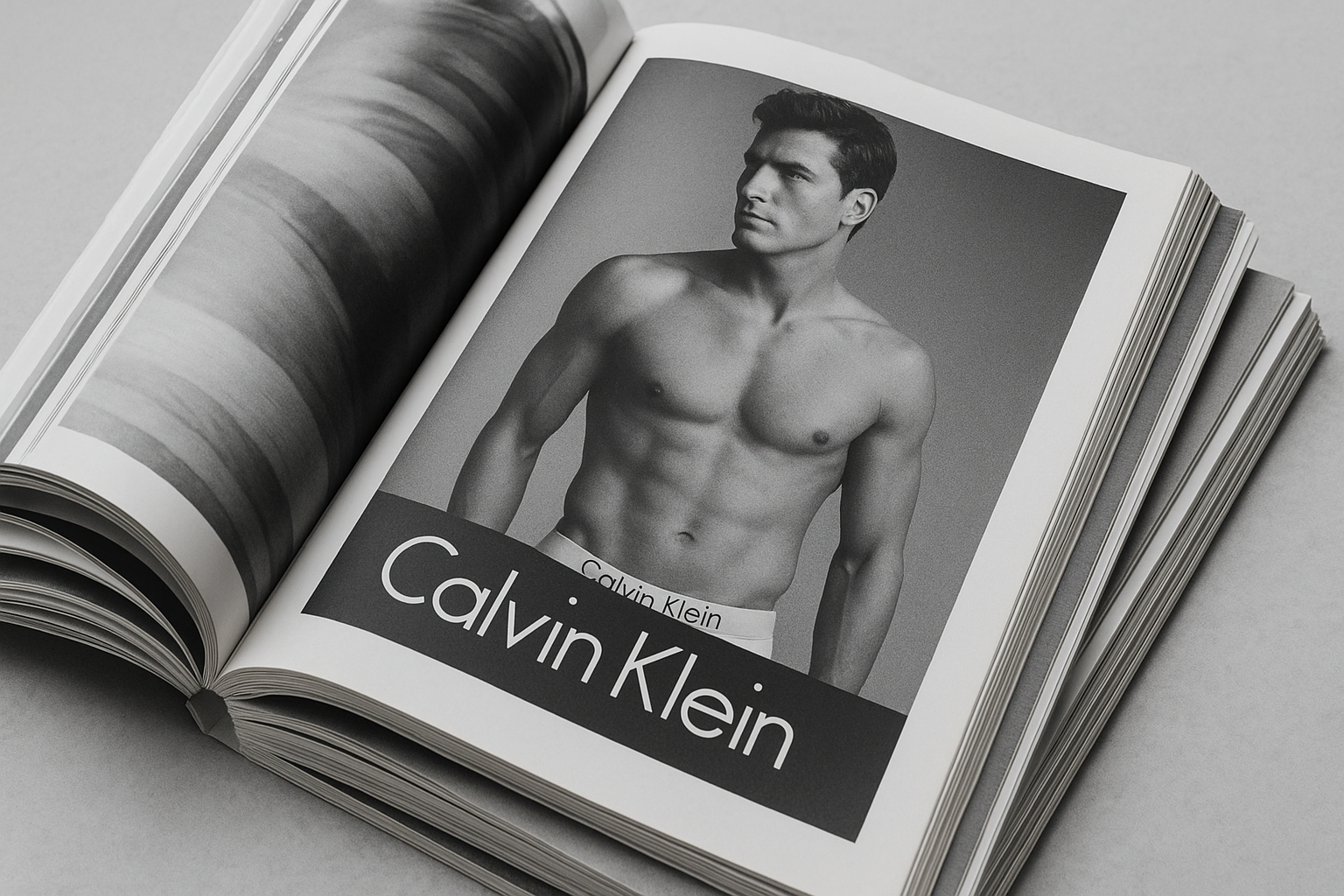
Print once shaped desire through pages, not pixels. Masculinity became a product long before it went viral.
Both examples reveal the same truth: media has created a bias for what men should look like, not just physically, but socioeconomically.
We’ve long discussed the objectification of women in media, but now we must face the intense pressure targeting men.
The modern male identity is increasingly defined by a hyper-specific, commercially driven trifecta: physical perfection (“Hot”), relentless achievement and stoicism (“Hard”), and constant digital self-promotion (“Hashtagged”). This new paradigm impacts male self-worth, relationships, and even faith.
The “Hot” Imperative (The Aesthetic Pressure)
“Sex sells” has been the advertising mantra for decades, but now, strength sells too. Think of Dior Sauvage commercials with Johnny Depp smoldering under desert skies, or Old Spice’s absurdly muscular “Man Your Man Could Smell Like” campaign. The male body has become shorthand for dominance and desirability, not dignity.

Power performed, not possessed. Strength scripted by screens, not spirit.
Marketing no longer sells utility; it sells transformation. Once, a razor was just a razor; it shaved your face. Now it promises confidence, success, and attraction.
Then, razors, deodorants, and aftershaves were about hygiene and practicality. Now, supplements, skincare, and style are about becoming stronger, sexier, and more successful.
Men aren’t just buying products anymore; they’re buying stories about who they could be. A protein shake isn’t just fuel; it’s “discipline in a bottle.” A gym membership isn’t just about health; it’s “hustle made visible.” The danger is that marketing doesn’t just sell a product; it sells the problem of not being enough.
This idea is everywhere in pop culture. Superhero franchises like Marvel’s Avengers and DC’s Justice League parade men with godlike physiques, teaching audiences that physical perfection equals moral authority. Movie posters, music videos, and even sports broadcasts project the same gospel of abs and aggression.
But this obsession doesn’t stay on screen. It follows men onto their phones. Scrolling through social media has become a quiet self-audit. You see Cristiano Ronaldo or Maluma in perfect lighting and start to wonder: Is my jawline sharp enough? Should I smile, or does that look less masculine? The simple act of scrolling becomes comparison. You become the art critic of your own reflection.
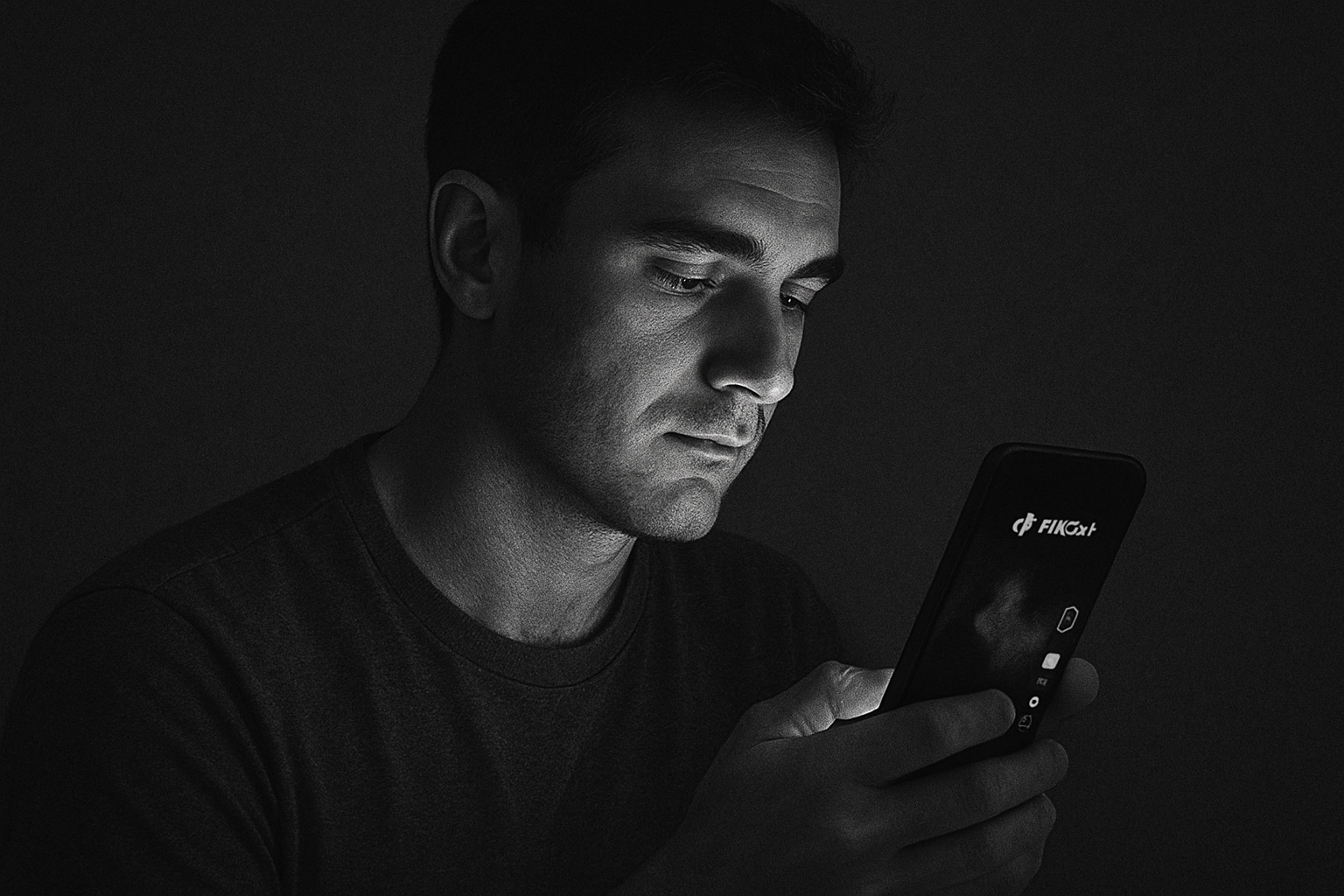
Late-night scrolls, chasing connection through the glow of a screen.
Scripture offers a counter-message. When Samuel was sent to anoint Israel’s next king, God told him, “The Lord sees not as man sees: man looks on the outward appearance, but the Lord looks on the heart” (1 Samuel 16:7, ESV). Strength in God’s eyes is never about biceps or beauty; it’s about integrity and inner life.
The Sculpted Standard has quietly become the male equivalent of the “Barbie body”. It’s airbrushed, curated, and often impossible without trainers, lighting, and editing. Fitness influencers on TikTok and Instagram push the illusion that perfection is earned, but never mention steroids, Photoshop, or self-doubt.
Men today are pressured to become both product and producer. They trade “strong and capable” for “lean and shredded,” forgetting that God created the body to serve, not to sell. As Paul wrote, “Do you not know that your body is a temple of the Holy Spirit within you... You are not your own” (1 Corinthians 6:19-20, ESV).
The “Hard” Imperative (The Performance of Masculinity)
The classic marketing playbook sells women as objects of beauty and men as objects of power. Enter machismo.
Aggression sells. Men fighting, winning, dominating. Domination becomes desire. From the roaring engines of truck commercials to the sweat-drenched faces of Rocky and Creed, the message is clear: real men conquer.
The Ford F-150 slogan “Built Ford Tough” doesn’t just sell a vehicle; it sells validation. Around 70–88% of pickup truck owners are male, and buying one often signals not transportation, but toughness. It’s masculinity on wheels, a reminder that “real men” are durable, not delicate.

Strength sold as identity. A Ford truck against a rugged backdrop symbolizes how advertising ties masculinity to endurance and control.
Even the beard has become a brand. Once a natural feature, it’s now a symbol of grit, rebellion, and traditional strength. Beard-oil ads don’t promise cleanliness; they promise confidence. The beard is no longer about grooming but identity, the modern armor of manhood.
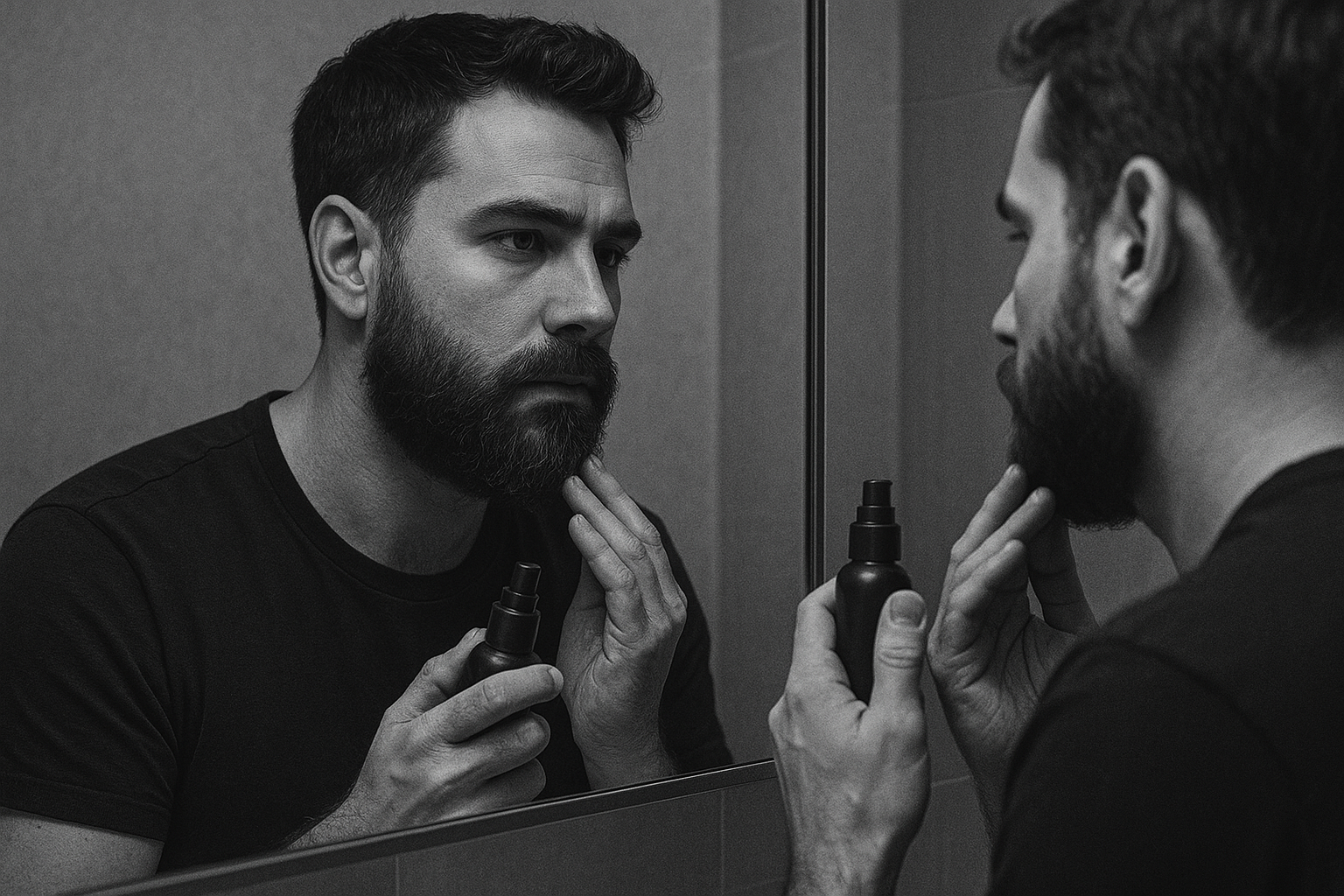
Refined. Real. Reflective.
Elevate your everyday ritual with timeless style and intention.
But this kind of “hardness” isn’t just in ads. It’s in self-help books that preach dominance, podcasts that label compassion as weakness, and influencer coaches who turn hustle into holiness. Hustle culture has become religion. Men are told to wake up at 4 a.m., outwork everyone, and never rest.
Faith once tied provision to love and care, but marketing ties it to salary, silence, and status. Burnout becomes a badge of honor. Overwork becomes “grit.” Struggle becomes “character development.”
Ads sell watches, laptops, and leadership courses with one message: Real men don’t rest.
But Scripture directly confronts this lie. Jesus said, “Come to me, all who labor and are heavy laden, and I will give you rest” (Matthew 11:28, ESV). God never designed manhood to be a brand or a burden. True strength is shown in surrender.
“Man up” doesn’t just echo in locker rooms; it’s a consumer directive. It sells deodorants, trucks, colognes, and silence. The emotional cost is a generation fluent in strength but illiterate in softness.
Samson, the strongest man in Scripture, fell not because of weakness in his body but because of blindness in his spirit. David, meanwhile, showed a different kind of power, one that could cry, repent, and lead with humility. In God’s kingdom, brokenness is not failure; it’s formation.
Even the self-help industry has capitalized on masculine insecurity. It sells dominance, discipline, and “alpha energy,” but often leaves men alienated and anxious.
The “Hard” imperative sells control, but Scripture says, “The Lord is my strength and my shield; in him my heart trusts”(Psalm 28:7, ESV). Masculinity built on performance collapses under pressure. Masculinity rooted in Christ endures.
The “Hashtagged” Imperative (The Digital Showcase)
Welcome to the age of algorithmic masculinity, where being “man enough” means being seen enough.

Reflections of modern masculinity are curated, composed, and caught in grayscale.
Minimal light. Maximum story
On social media, the male body is curated, optimized, and rewarded. Platforms like Instagram and TikTok act as invisible editors, boosting what performs best: confidence, control, and perfect lighting for abs.
Influencer culture has turned everyday men into marketers. NFL stars film “grindset” montages, lifestyle creators post luxury watch collections, and Christian influencers wrestle with the balance between “authenticity” and aesthetics. Even vulnerability is branded: a photo of tears becomes content, a confession becomes engagement.
The algorithm favors visibility over vulnerability. TikTok has been documented to suppress users deemed “unattractive” while promoting conventionally beautiful ones (NPR). Internal reports revealed that videos flagged as “ugly, poor, or disabled” were suppressed in the For You feed.
Every post becomes a product pitch for the self. Every man becomes both marketer and merchandise.
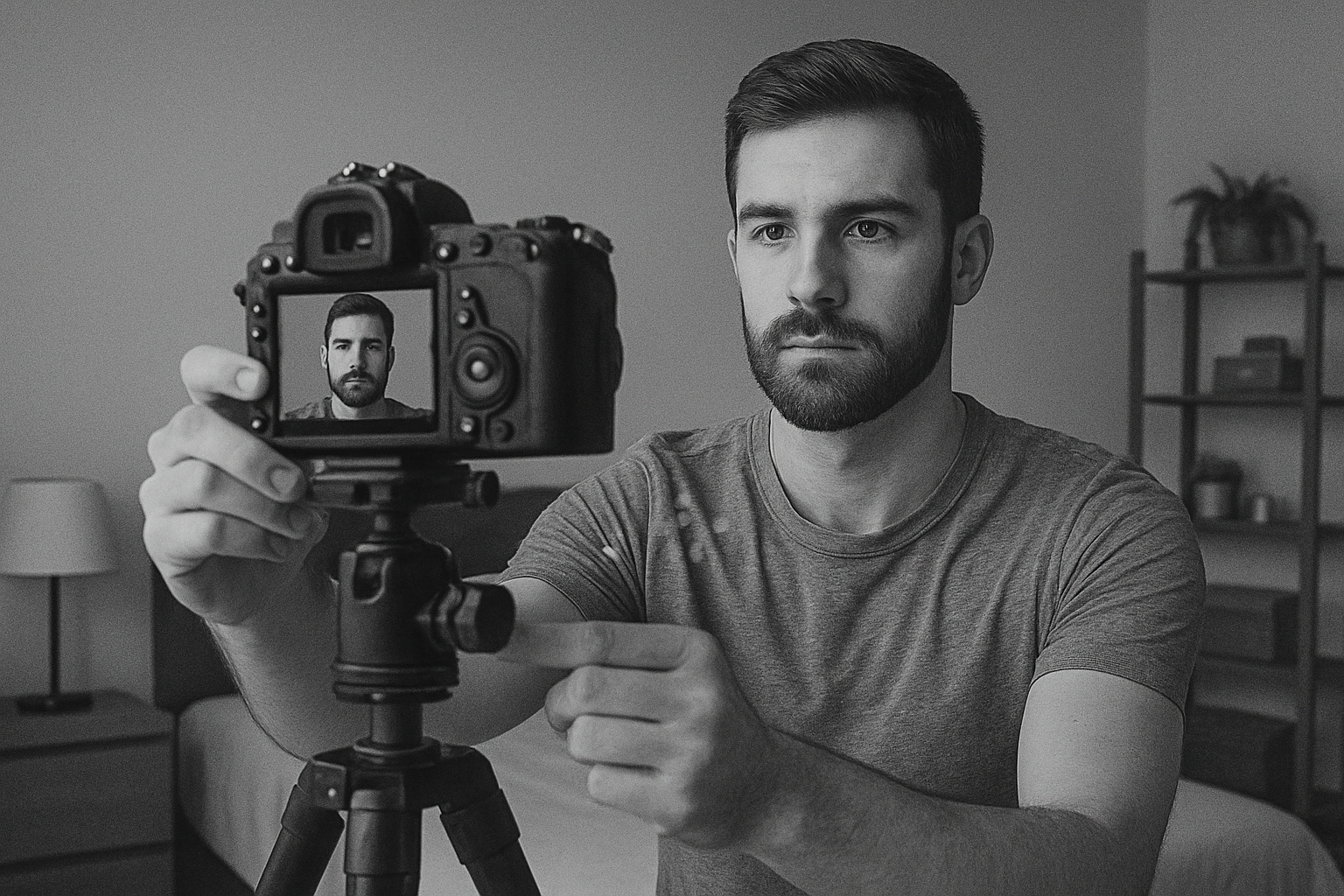
In the glow of the lens is where creation begins.
A quiet moment of setup before the story starts
It’s not enough to be ambitious; you must look ambitious. Gym check-ins mean discipline. Office selfies mean drive. Travel photos mean freedom. Hashtags become digital credentials (#grindset, #motivation, #success).
But Jesus warned, “Beware of practicing your righteousness before other people in order to be seen by them” (Matthew 6:1, ESV). The media says visibility equals value. The Gospel says secrecy can be sacred.
When life becomes content, worth becomes quantifiable. Likes become liturgy. The brand becomes the altar. And men who stop posting fear invisibility more than inadequacy. Behind every thirst trap and hustle reel is the same hunger, not for fame, but for legitimacy.
The “Hashtagged” imperative turns life into a loop of performance and validation. In chasing visibility, men risk losing something sacred: the unposted self. Romans 12:2 (ESV) reminds us, “Do not be conformed to this world, but be transformed by the renewal of your mind.” Faith invites men to log off the performance and return to presence.
Faith Perspectives: More Than Muscles
Where marketing sells strength, faith reframes it.
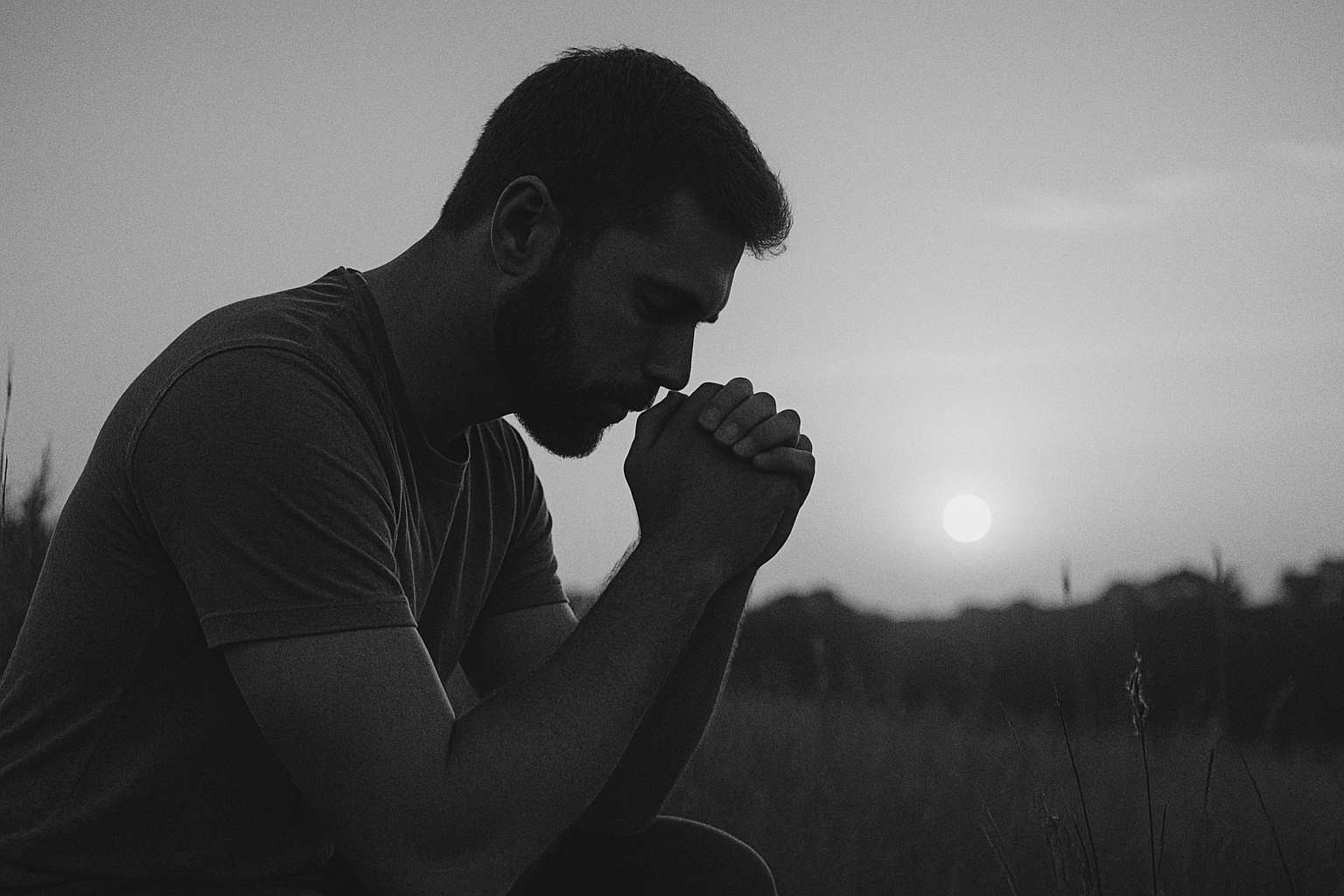
Slow mornings. Honest thoughts. Gentle grace.
Worth is inherent: Men are valuable not for dominance or appearance, but because they are made in the image of God (Genesis 1:27, ESV).
Servanthood over status: Jesus modeled humility, not self-promotion (Philippians 2:3–4, ESV).
Redefining strength: True strength is found not in flexing muscles, but in showing restraint, compassion, and love (Proverbs 16:32, ESV).
Faith doesn’t reject strength or ambition; it redeems them. Muscles may inspire, but integrity transforms.
Beyond the Brand: The Truth About Strength
We live in a world where men are told to be “Hot, Hard, and Hashtagged.” But Scripture whispers a different story: that being seen isn’t the same as being known, and being strong isn’t the same as being whole.
The media says to perfect your image. God says to renew your mind.
When men trade reflection for projection, hustle for healing, and image for intimacy, they risk losing the very thing that makes them human: their heart.
Because at the end of the day, the truest form of manhood isn’t branded; it’s born again.
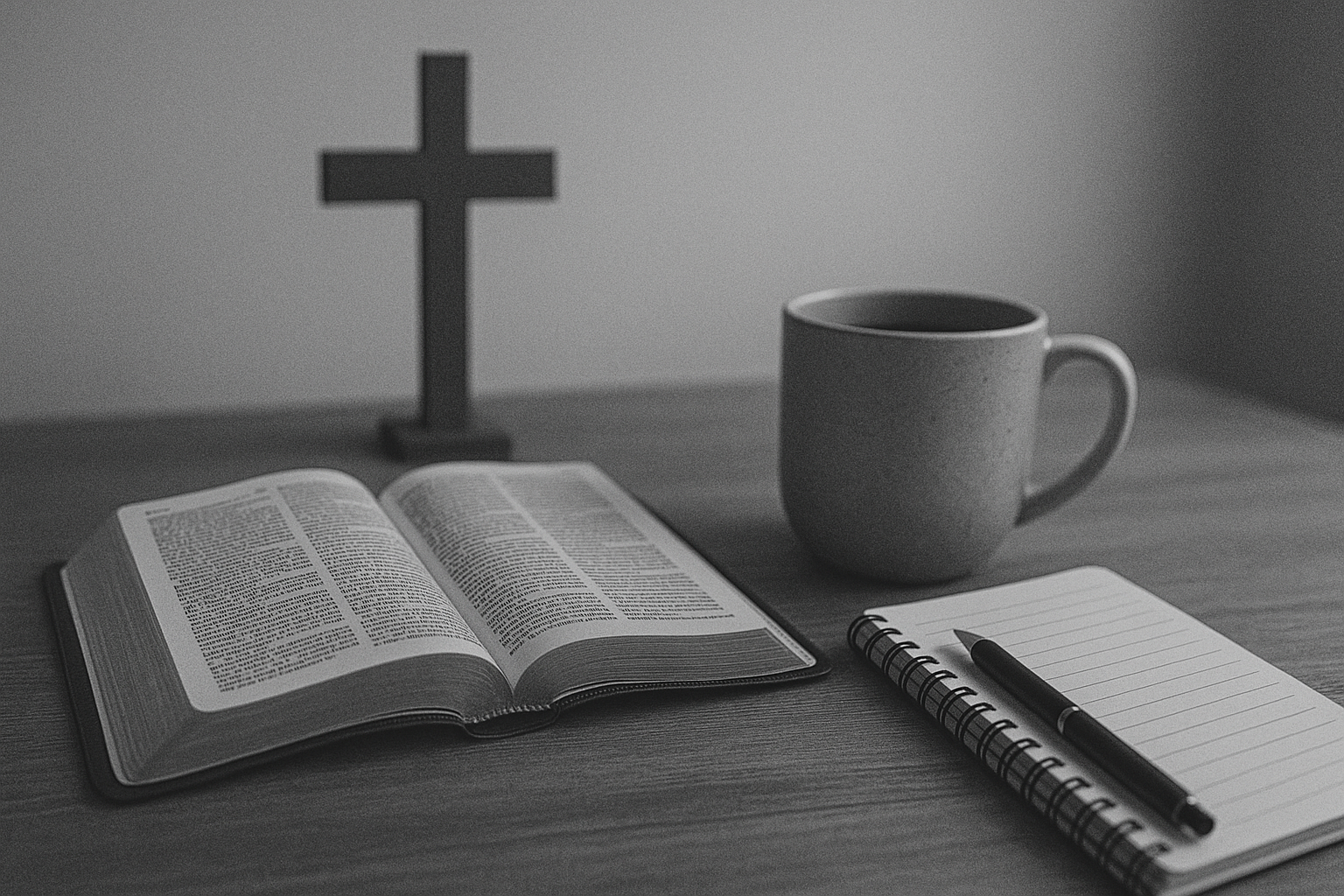
Quiet mornings. Open pages. A moment to reflect before the world begins.